
News
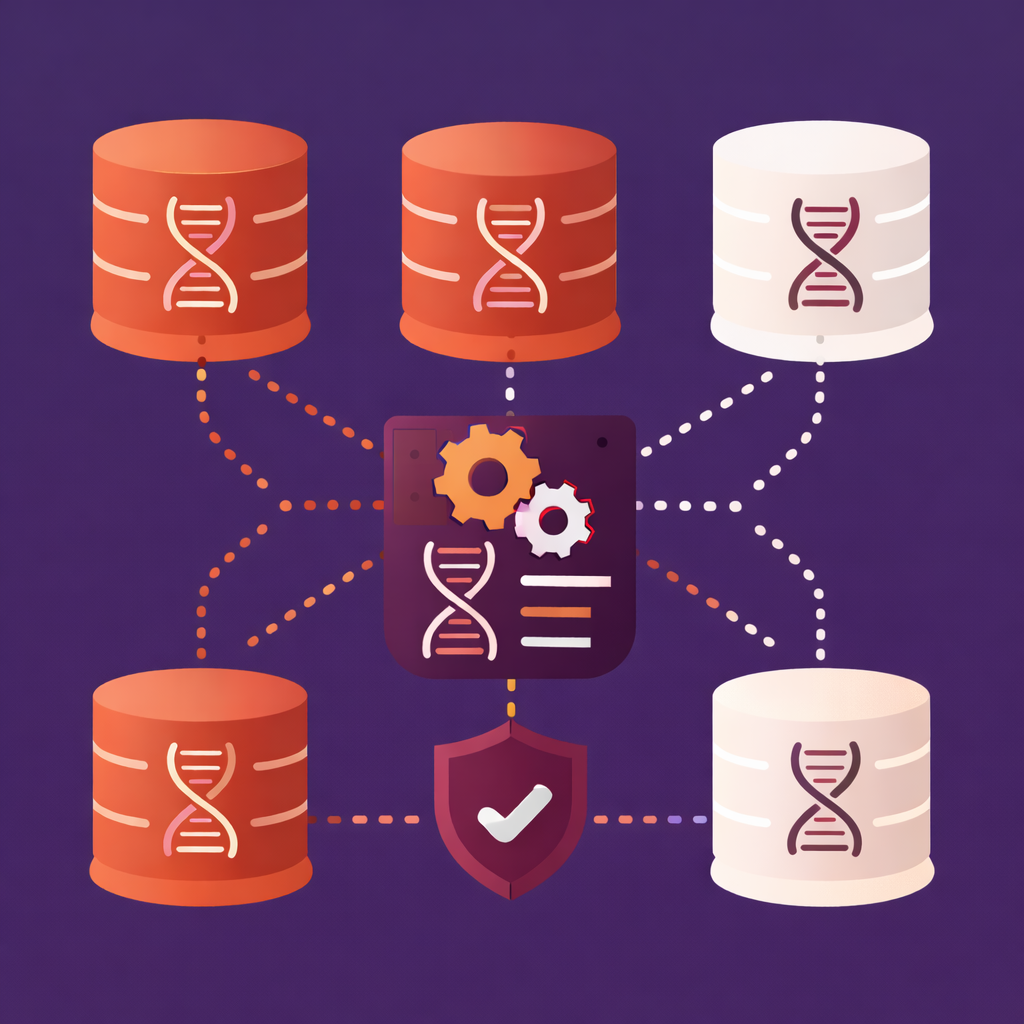
Federated learning in NextGen is adopted as a practical operating model for collaboration: multiple clinical and research sites can contribute to shared analyses on Genetics and Cardiovascular Disease while keeping data under their local governance. In the activities for Optimised multimodal and genomic processing, analytical and integration tools (WP3), this is anchored in an explicit […]
Federated genomics is a distributed approach for managing and analysing human genomic data without consolidating it in a single location. Large-scale discovery needs cohorts spanning institutions and countries, yet genomes and linked clinical data are sensitive, governed by privacy rules, and tied to national or organisational ownership. A federated model supports cross-border collaboration while keeping […]

Whole-genome and whole-exome sequencing data are first class citizens in NextGen, as variants derived from this data fundamentally dictate research and clinical outcomes both in our consortium and beyond. Whole-genome sequencing (WGS) and whole-exome sequencing (WES) are two ways of reading our genetic code. The genome is the complete set of DNA in a person […]
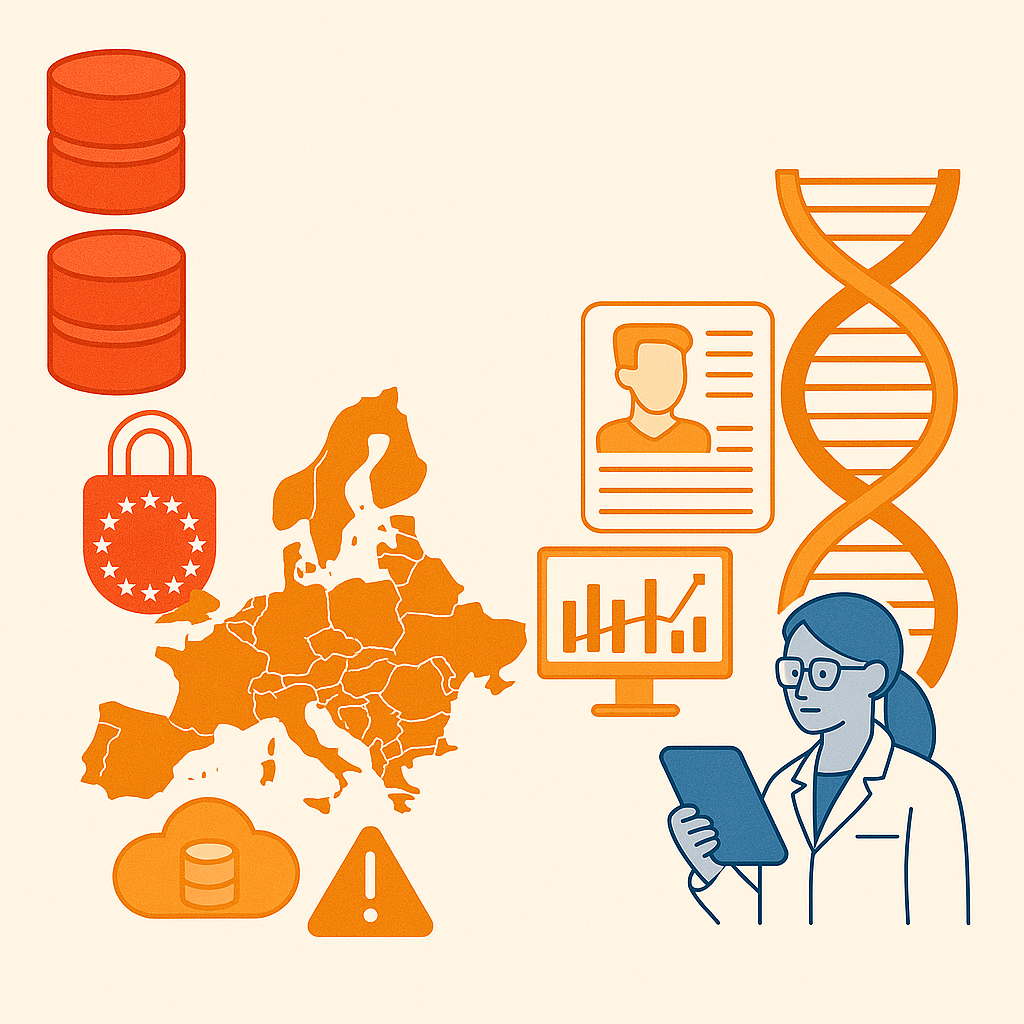
At the 10th MyData Global Conference in Helsinki on 24-26 September 2025, experts from more than 40 countries gathered to advance a more human-centric next-generation internet. NextGen participated in the session “European Health Data Spaces Promises & Pitfalls: The Case of Genomic Data Integration in Personalised Medicine” together with four experts from Finland and the […]

Molecular autopsies are transforming the way we understand sudden cardiac death (SCD), especially in young individuals where conventional pathology often leaves questions unanswered. With the continuous refinement of sequencing technologies, genetic variants that were once invisible or dismissed as inconsequential are now entering the spotlight. In a recent case, our team identified a rare variant […]
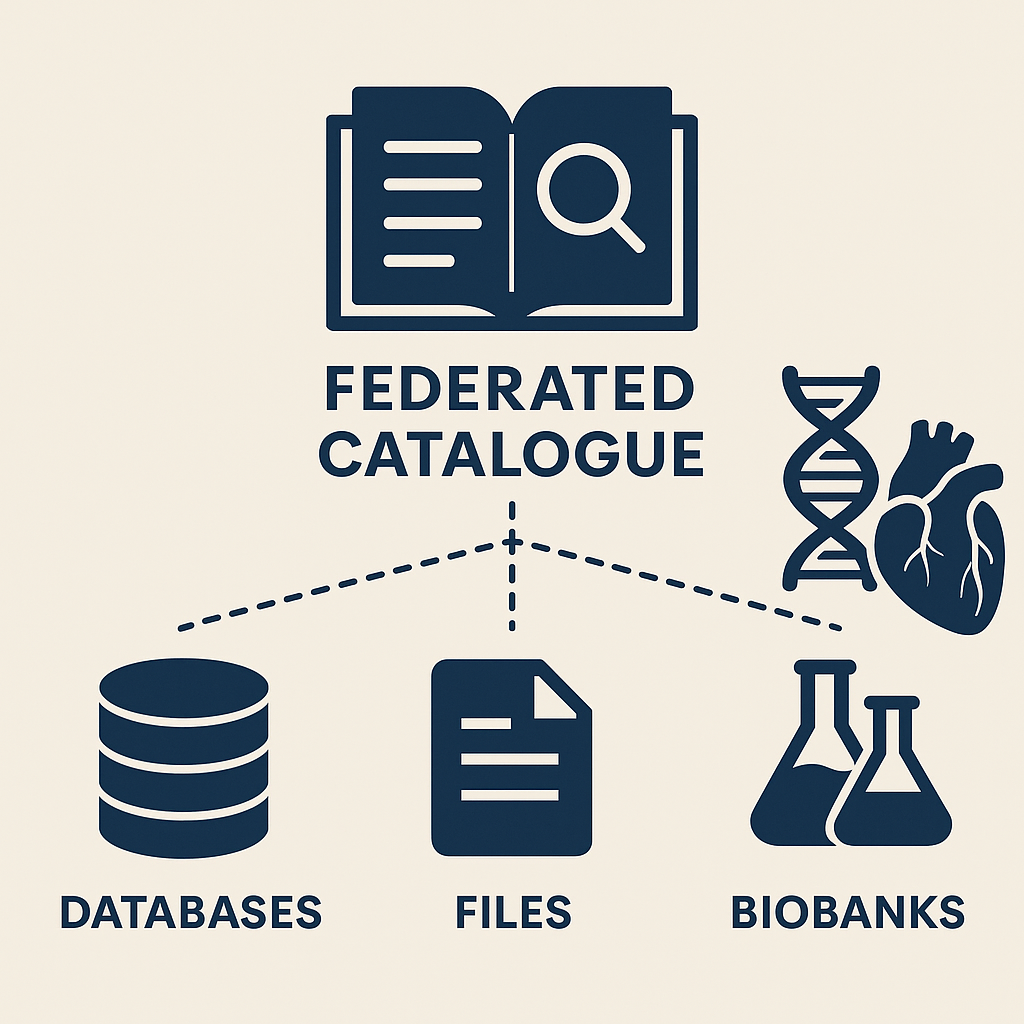
NextGen aims to develop tools for advance diagnostics, prediction and personalised medicine for cardiovascular disease, using sensitive data and information located at multiple sites. The sensitive nature of these data requires tools that search for multimodal datasets without letting the native information leave the site where it is stored and managed. NextGen’s federated catalogue is a decentralized discovery […]
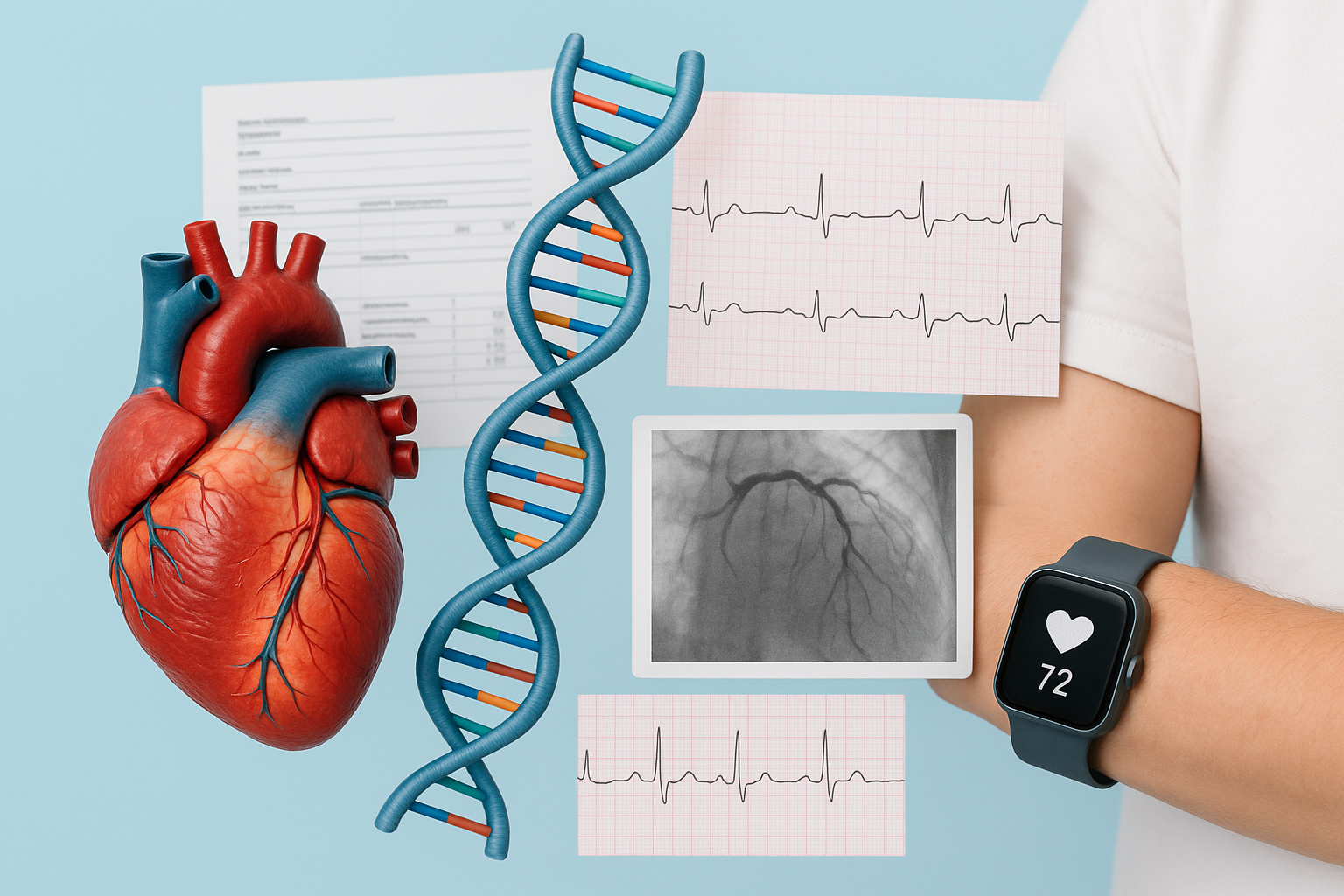
In the NextGen project, the Multimodal Integration Object (MMIO) is a key innovation that enables the integration of complex health datasets—clinical, imaging, wearable, phenotypic, and genomic—into a single, semantically rich, and interoperable data object, essential for personalised cardiovascular medicine. An MMIO is built on structured schemas that link data to transformation events, policies, and agreements. It ensures immutability, […]

Genomic sequencing reveals the full DNA sequence of an individual, uncovering millions of genetic variants—small differences in the nucleotide sequence that make each person unique. Among these, some variants occur in genes or regulatory regions and may influence health or disease. But identifying a variant in the genome is only the beginning. The real challenge […]

Genome curation involves a series of steps that integrate genomic data with validated experimental evidence and literature from diverse databases. Effective data curation and quality control are essential to ensure the accuracy, consistency, and reliability of genomic analysis results. In this context, NextGen genomic tools will focus on several aspects. Accelerating genomic data analysis pipelines. Through […]

Genomic data curation is a particularly important component of the NextGen toolbox. Data curation is a process to ensure accuracy, consistency, and usability of genomic data by addressing structural and content-related issues – such as missing, invalid, or inconsistent entries. Manual curation processes are very time-consuming and difficult to scale because of the size and […]