
News

Fusing genomics and AI to personalise heart care The NextGen project integrates genomics and clinical data into AI systems to revolutionise the prevention, diagnosis and treatment of cardiovascular diseases. CORDIS is the European Commission’s primary source for results of EU-funded research and innovation projects. It offers comprehensive information on projects, topics, and publications across multiple languages, […]

EU NextGen project advances personalised cardiology by integrating genomic and clinical data into AI models Key takeaways Sophia Antipolis, France – 10 April 2026: Healthcare is the fastest-growing European Union expenditure, and the demand for personalised approaches to healthcare, including in cardiology, continues to advance. As artificial intelligence (AI) capabilities increase, one of the issues […]
Overview In recent years, there has been increasing concern about the risks associated with data usage, particularly regarding data sharing. This has led to the introduction of regulations which impose stricter rules on data management. These regulations significantly impact scientific research, especially in the biomedical field, where the sensitivity of the data makes multi-center studies […]
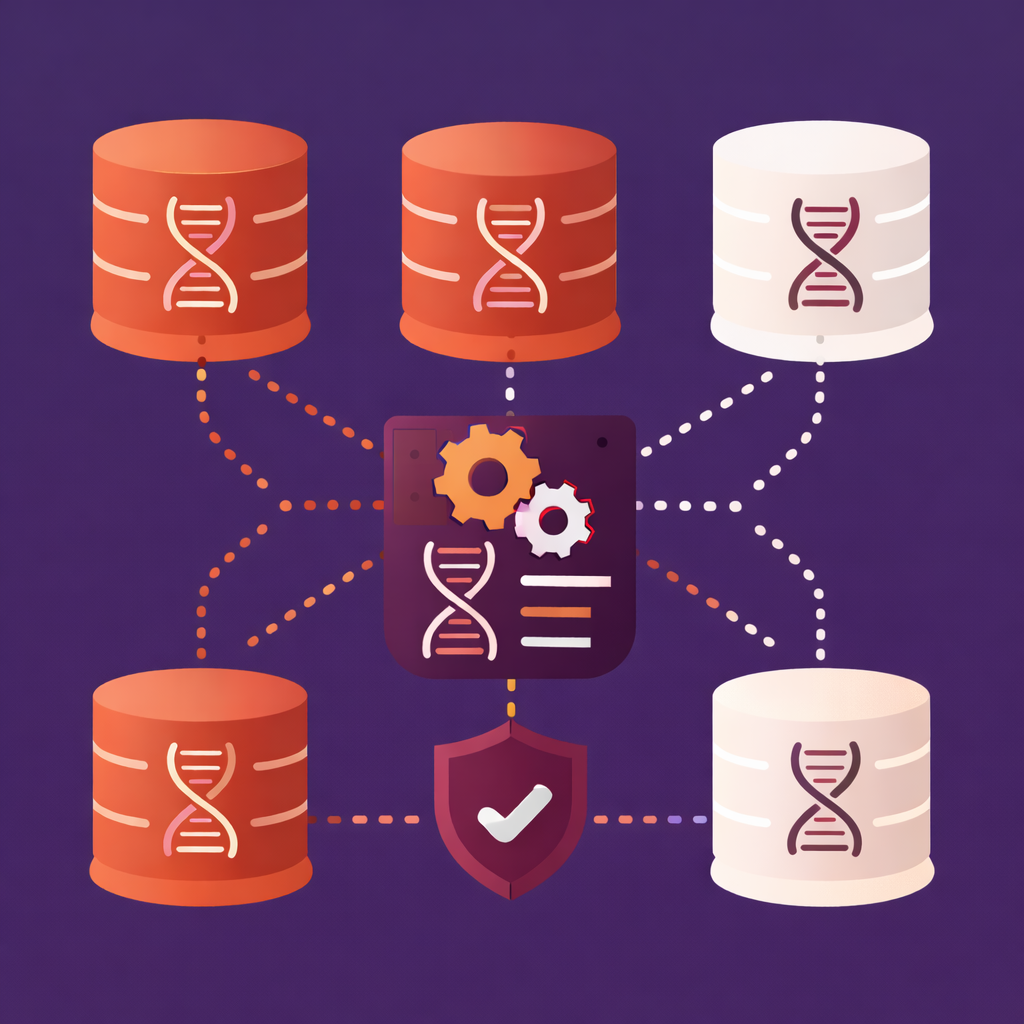
Federated learning in NextGen is adopted as a practical operating model for collaboration: multiple clinical and research sites can contribute to shared analyses on Genetics and Cardiovascular Disease while keeping data under their local governance. In the activities for Optimised multimodal and genomic processing, analytical and integration tools (WP3), this is anchored in an explicit […]
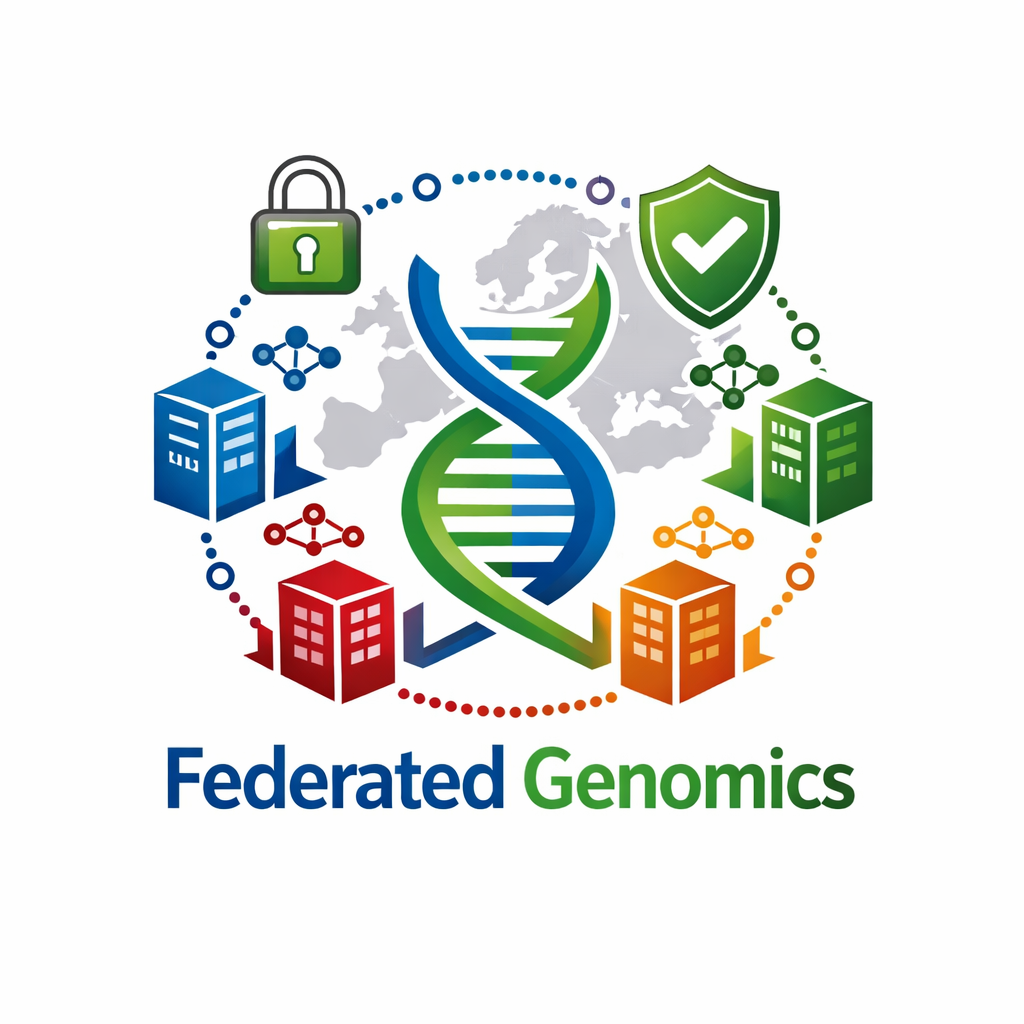
Federated genomics is a distributed approach for managing and analysing human genomic data without consolidating it in a single location. Large-scale discovery needs cohorts spanning institutions and countries, yet genomes and linked clinical data are sensitive, governed by privacy rules, and tied to national or organisational ownership. A federated model supports cross-border collaboration while keeping […]

Whole-genome and whole-exome sequencing data are first class citizens in NextGen, as variants derived from this data fundamentally dictate research and clinical outcomes both in our consortium and beyond. Whole-genome sequencing (WGS) and whole-exome sequencing (WES) are two ways of reading our genetic code. The genome is the complete set of DNA in a person […]
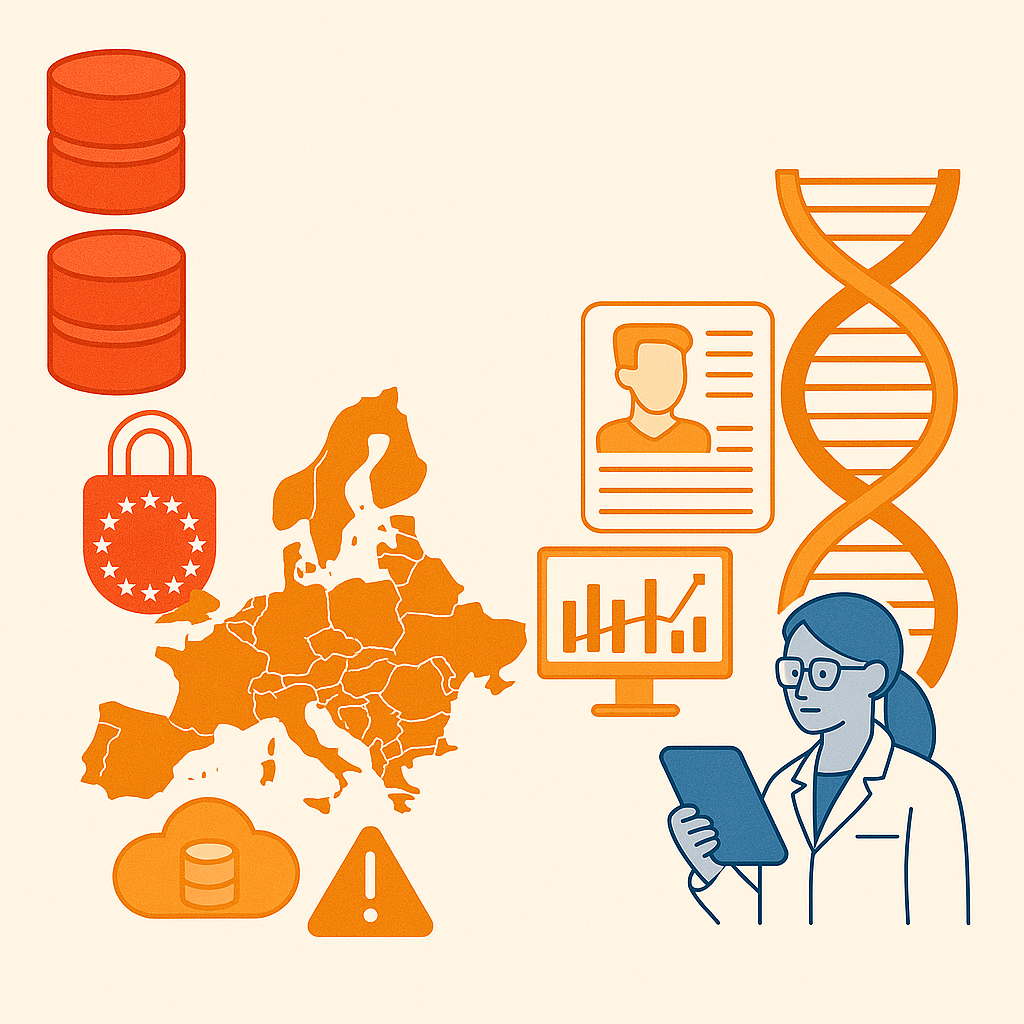
At the 10th MyData Global Conference in Helsinki on 24-26 September 2025, experts from more than 40 countries gathered to advance a more human-centric next-generation internet. NextGen participated in the session “European Health Data Spaces Promises & Pitfalls: The Case of Genomic Data Integration in Personalised Medicine” together with four experts from Finland and the […]

Molecular autopsies are transforming the way we understand sudden cardiac death (SCD), especially in young individuals where conventional pathology often leaves questions unanswered. With the continuous refinement of sequencing technologies, genetic variants that were once invisible or dismissed as inconsequential are now entering the spotlight. In a recent case, our team identified a rare variant […]
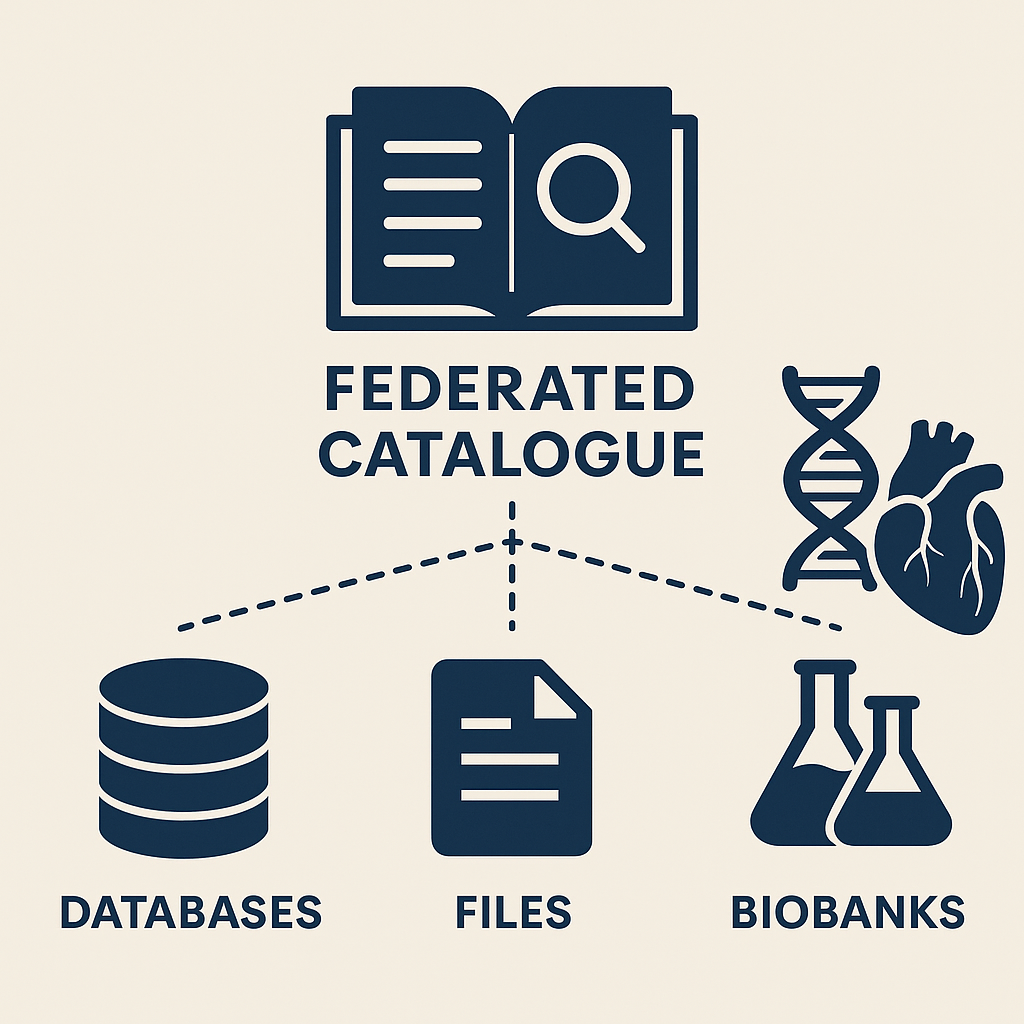
NextGen aims to develop tools for advance diagnostics, prediction and personalised medicine for cardiovascular disease, using sensitive data and information located at multiple sites. The sensitive nature of these data requires tools that search for multimodal datasets without letting the native information leave the site where it is stored and managed. NextGen’s federated catalogue is a decentralized discovery […]
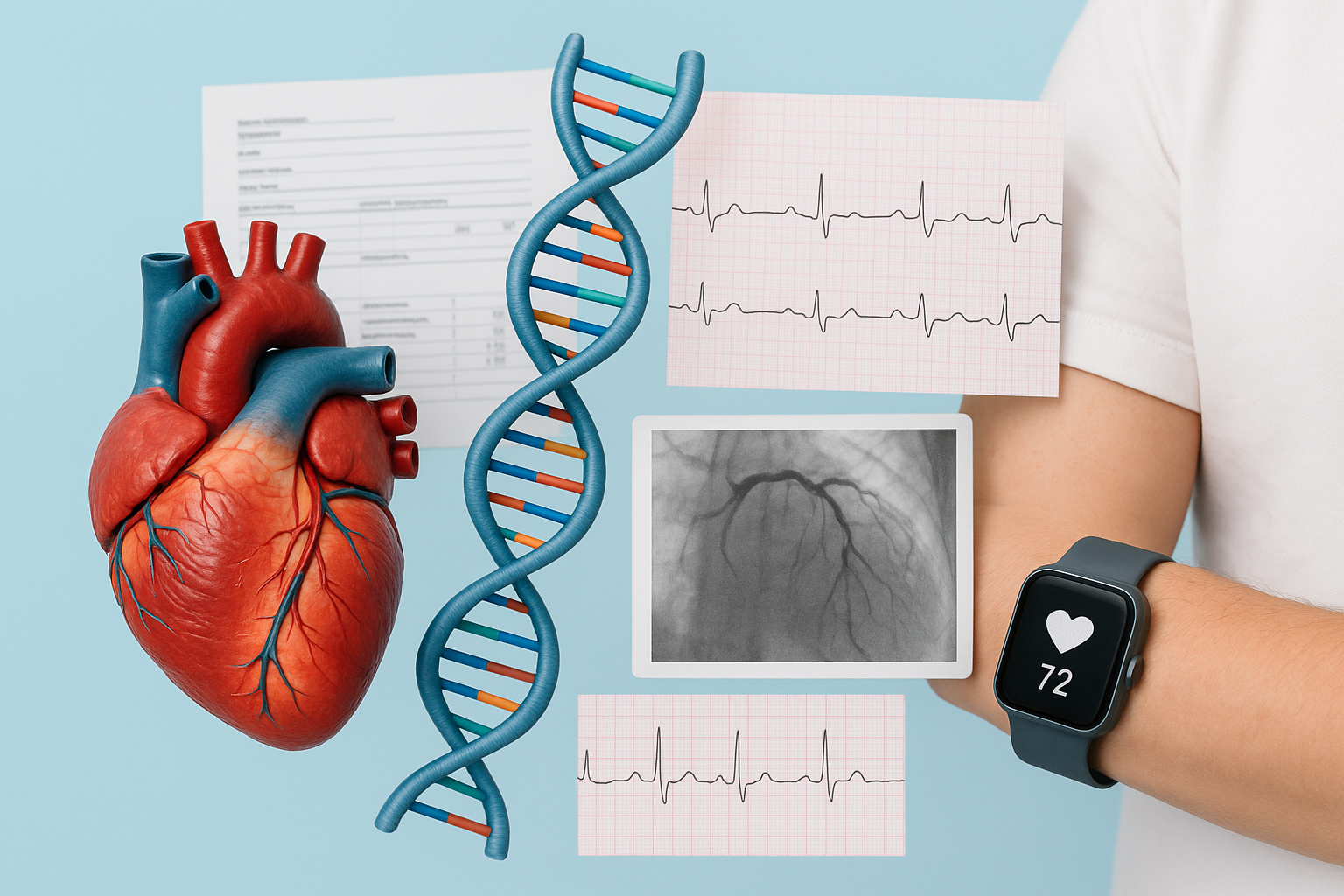
In the NextGen project, the Multimodal Integration Object (MMIO) is a key innovation that enables the integration of complex health datasets—clinical, imaging, wearable, phenotypic, and genomic—into a single, semantically rich, and interoperable data object, essential for personalised cardiovascular medicine. An MMIO is built on structured schemas that link data to transformation events, policies, and agreements. It ensures immutability, […]